Embarking on your credit journey can feel both exciting and daunting. The right first card lays the foundation for long-term financial health and opens doors to future opportunities. With guidance and a clear plan, you’ll navigate credit basics confidently and avoid common pitfalls.
In this guide, you’ll discover everything from understanding how credit cards work to choosing the card that best aligns with your budget, goals, and lifestyle. Follow these steps and best practices to establish a solid credit history and harness the full benefits of your first credit card.
Understanding Credit Card Basics
At its core, a credit card is a traditional financial instrument that allows you to borrow money for purchases up to a set limit. When you use the card, the issuer pays the merchant on your behalf, and you repay that balance later, often with interest if not paid in full by the due date.
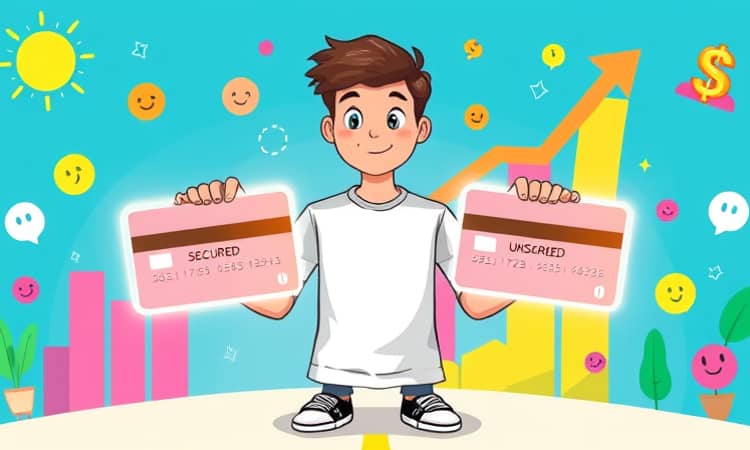
For beginners, two main card types exist:
- Unsecured starter cards require no deposit and function like standard credit cards. Approval depends on your creditworthiness and income.
- Secured cards demand a refundable deposit—usually between $200 and $500—which becomes your credit limit. They’re designed for those with limited or no credit history.
Both card types report your activity to the three major bureaus—Experian, Equifax, and TransUnion—helping you build credit when used responsibly.
Pre-Application Requirements
Before applying, perform a financial self-check. Your credit score and report set the stage for the cards you’ll qualify for. If you have little or no credit history, a secured card is often the best starting point.
Key factors to consider include:
- Your current credit score range and recent report findings
- Understanding monthly budgets and your ability to pay in full
- Any outstanding debts or existing credit obligations
- Pre-qualification options at your bank or online platforms
Taking these steps ensures you only apply for cards you’re likely to receive, preserving your score from hard inquiries and setting realistic expectations.
Key Selection Criteria
Once you know where you stand, compare card features side by side. Focus on these critical elements:
Interest Rates (APR): First-time cardholders typically see higher APRs. Aim for rates in the low 20% range; anything above 25% warrants caution. Credit unions sometimes offer introductory APRs as low as 11.20%.
Annual Fees: Many starter cards waive annual fees, which is ideal for those building credit. If you consider a card with a fee—like one charging $95—ensure its benefits far outweigh the cost.
Rewards Programs: Select a rewards structure that matches your spending habits. Whatever you choose, confirm the card offers at least 1%–2% cashback or competitive travel points. Examples include flat-rate travel cards, dining-focused options, and simple cashback solutions.
Additional Perks and Features: Look for no foreign transaction fees if you travel, card protection options like extended warranties, and robust mobile tools for real-time account management.
Credit Reporting: Ensure your card reports to all major bureaus, so every on-time payment builds your score. An upgrade path to an unsecured card without a hard pull is another valuable benefit.
Popular First Credit Card Options
Best Practices for Using Your First Credit Card
- Always make on-time payments—late fees and interest can erode progress.
- Pay your balance in full each month to avoid interest charges entirely.
- Keep your credit utilization under 30%, preferably below 10%.
- Use autopay or calendar reminders to stay consistent.
- Review monthly statements and dispute any unauthorized charges promptly.
Step-by-Step Selection Process
- Check your credit score and review your recent credit report.
- Research interest rates, fees, and rewards across multiple issuers.
- Match card benefits to your typical spending categories.
- Consider credit unions for potentially lower APRs and fees.
- Avoid impulse applications; pre-qualify when possible.
- Submit your application with confidence once you’ve compared options thoroughly.
Common Misconceptions and Tips
Many believe the best cards aren’t for beginners, but starter products are designed precisely for your needs. Student cards offer tailored benefits, while pre-qualification tools help reduce rejection risk. Remember, there’s no one-size-fits-all solution; the best card depends on your unique circumstances.
Over time, responsible use unlocks better offers, higher limits, and premium perks. Maintain discipline, stay informed, and revisit your options every year to upgrade when the time is right.
Why Your First Credit Card Matters
Establishing credit responsibly is a powerful step toward financial freedom. On-time payments and low utilization signal trustworthiness to lenders, leading to better rates on future loans, mortgages, or premium credit cards.
By following this beginner’s handbook, you’ll not only build a strong credit profile but also gain the confidence to leverage credit wisely throughout your life. Choose deliberately, spend thoughtfully, and watch your financial possibilities expand.