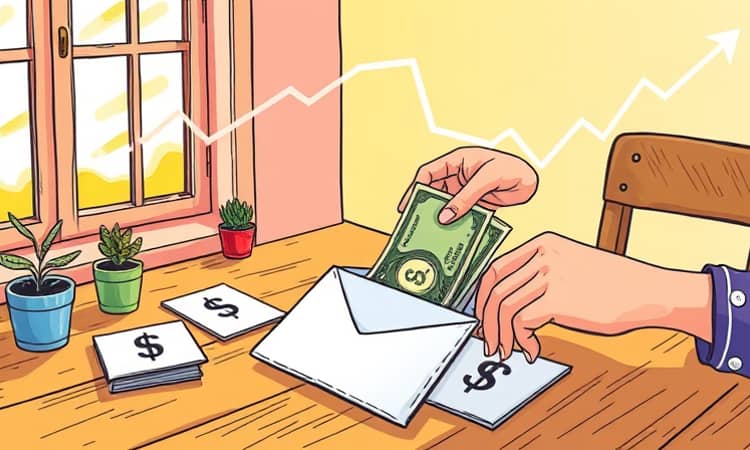
Managing money with care is more than budgeting; it’s a mindset shift towards lasting security and purpose. Cash consciousness transforms spending from an autopilot reaction into a deliberate choice, aligning every expense with your deepest values and priorities.
By uniting a powerful money-conscious mindset and values with precise cash-flow management and actionable debt-prevention tactics, you regain control over your financial destiny. This approach brings clarity, reduces stress, and creates space to invest in what truly matters.
What is Cash Consciousness and Why It Matters?
Cash consciousness is the practice of being fully aware of where each dollar originates and where it is allocated. More than tracking numbers, it fosters an understanding of your relationship with money, distinguishing needs from wants and ensuring that every expenditure serves a purpose.
Adopting this outlook is not about denying enjoyment; it is about prioritizing spending on genuine value. When you choose to pay cash instead of relying on credit, you avoid accumulating interest and lay the foundation for financial resilience. Anecdotal evidence shows that some households thrive while living on forty percent of their income, redirecting the remainder into savings and investments.
At its core, a money-mindful approach replaces impulsive purchases with thoughtful decisions. By treating savings as the first bill you pay, you guard against emergencies and reduce the temptation to borrow under pressure.
Linking Cash Consciousness to Avoiding Debt
Debt can quickly become a silent burden that undermines financial well-being. From credit cards charging 15–30% APR to payday loans with triple-digit rates, interest compounds against you, turning small balances into crippling obligations.
A cash-conscious mindset naturally pushes you to live within your means. When you align spending with priorities, unnecessary expenses evaporate and surplus funds flow into debt repayment or an emergency fund—never into accumulating interest fees.
Simple strategies reinforce this discipline. Before any non-essential purchase, pause and ask if the value gained justifies the cost. If credit is used, prioritize high-interest balances first, using methods like the debt avalanche or snowball to maintain momentum and motivation.
Understanding Personal Cash Flow Basics
Income alone does not guarantee financial health. Just as profitable businesses can experience cash shortfalls, individuals may feel strapped despite earning well if outgoing payments outpace liquid resources. Healthy cash flow means having sufficient funds at the right times to meet both planned obligations and unexpected needs.
By documenting every source of income and every type of expense, you gain a clear picture of your financial rhythms. Forecasting cash flow over the next few months helps anticipate potential shortfalls so you can adjust spending or boost income before needing credit.
Practical Tactics to Build Cash Consciousness
Developing conscious money habits takes intentional practice. These tactics cultivate awareness and reinforce disciplined choices:
A. Tracking and Awareness
- Keep a daily expense log, even if it’s only a notebook entry.
- Use the classic envelope method to physically limit spending.
- Schedule weekly or monthly reviews to compare actual spending to your plan.
B. Mindset and Emotional Regulation
- Identify emotional triggers like stress or boredom that lead to impulse buys.
- Implement a 24-hour waiting period for purchases above a set threshold.
- Reframe cutting back as buying back your freedom, not deprivation.
C. Wants vs. Needs in Practice
- List your basic needs clearly and fund them first each month.
- Assign a capped budget for desired extras, then stop when it’s exhausted.
- Reflect: “Will this purchase still matter to me in six months?”
Adapting Business Cash-Management Principles to Personal Finance
Principles that drive healthy cash flow in companies can be translated into individual strategies. Forecasting plays a key role: project your expected income, regular bills, and any upcoming irregular costs for the next quarter or year. This long view helps you spot when you might turn to credit and prompts you to adjust your plan early.
On the income side, seek stability by negotiating predictable schedules, retaining gigs with consistent pay, or adding a modest side venture. On the billing side, align due dates with paydays and avoid late fees at all costs, since these charges are pure waste. Finally, conduct regular expense audits—cancel unused subscriptions, downgrade services, and seek more affordable alternatives for recurring costs.
Cash consciousness is not a one-time effort but a continuous practice of reflection and adjustment. By merging a vigilant mindset with structured cash-flow routines and targeted tactics, you can break free from the debt cycle and build a foundation of lasting security.
Embrace the journey of financial awareness today. As you cultivate each habit, you will feel a growing sense of empowerment, clarity, and freedom. Every dollar you consciously allocate is a step closer to the life you truly desire—debt-free, purposeful, and thriving.