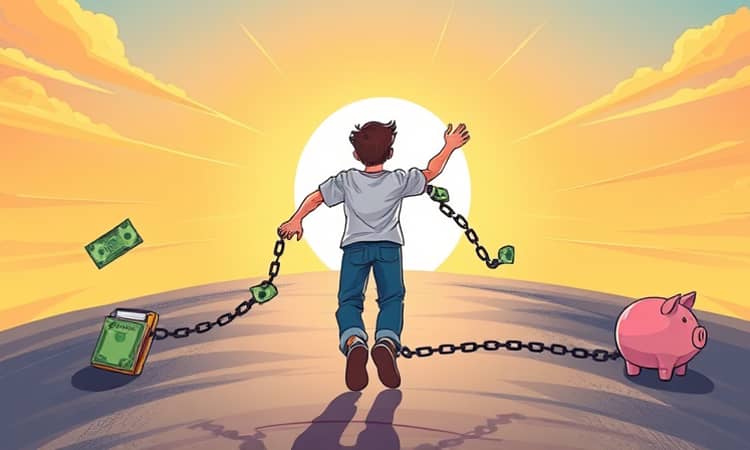
In a nation where financial dreams are evolving, a staggering 74% of Americans now define financial success as being debt-free, marking a profound cultural shift.
This new priority reflects a desire for stability and resilience over traditional milestones like homeownership or marriage.
Despite this aspiration, financial stress affects 68% of Americans, up from 50% in just a year, highlighting an urgent need for change and control.
Only 35% feel proud or in control of their money management, showing that many are striving but struggling to find their footing.
The journey to debt freedom is not just about numbers; it's about reclaiming peace and building a secure future.
Why Being Debt-Free Is the New American Dream
Financial stress is a daily reality, with 71% citing rising costs as a key barrier to success.
Only 39% feel more financially successful than five years ago, while 22% feel less so due to factors like economic uncertainty and job burnout.
This pursuit is driven by the deep need for peace of mind and a sense of autonomy over one's life.
Emergency readiness is alarmingly low, with 25% unable to cover a $2,000 unexpected expense, up from 19% previously.
For Gen X, this gap is worst at 36%, underscoring generational vulnerabilities and the critical importance of planning.
Thriving now means achieving financial stability above all else, as 63% of Americans agree, prioritizing security over fleeting luxuries.
The Economic Storm: Pressures and Realities
U.S. household debt totals a massive $18.6 trillion, including $1.2 trillion in credit card debt alone.
The cost of living has risen approximately 26% since 2020, with groceries and housing costs up by around 30%, squeezing budgets tightly.
These pressures have led to significant changes in behavior and outlook:
- 66% of Americans have less savings than last year, indicating a strain on financial cushions.
- 58% are spending less on non-essentials to cope with inflation.
- 40% are saving less for the future, highlighting long-term concerns.
Top financial concerns include groceries (55%), housing (35%), and credit card debt (26%), forcing many to make difficult daily choices.
To adapt, consumers are taking actionable steps:
- 49% have switched to cheaper brands to reduce expenses.
- 41% have cut subscriptions and non-essential services.
- 51% are deprioritizing lifestyle experiences for greater stability.
Looking ahead, 32% expect finances to worsen in 2026, with 78% blaming inflation, yet 19% prioritize paying down debt as a top goal.
This focus on debt reduction grows with age, showing a mature approach to financial health and resilience building.
Generational Perspectives on Financial Freedom
Different generations approach financial freedom in unique ways, shaped by their economic contexts and attitudes.
This diversity underscores the need for tailored strategies, as 53% deprioritize lifestyle experiences, yet 55% still see homeownership as very important.
BNPL usage is prevalent, with 58% overall using it, but 73% of users remain stressed, showing that quick fixes don't solve deeper issues.
However, BNPL users have a slightly better outlook, with 49% feeling negative versus 58% of non-users, hinting at mixed impacts.
Practical Steps to Start Your Debt-Free Journey
Beginning the journey requires a clear, actionable plan rooted in self-awareness and discipline.
First, list all your debts comprehensively to gain clarity on your financial situation.
Use tools like the CFPB debt-log worksheet to track who you owe, balances, monthly payments, and APRs effectively.
This step is crucial for creating a targeted payoff strategy that addresses high-cost debts first.
Next, adjust your budget to allocate extra payments towards debt, focusing on eliminating bad debt like payday loans and credit cards.
Key methods for debt reduction include:
- Prioritizing debts with the highest interest rates to save money over time.
- Cutting unused subscriptions and non-essential expenses to free up cash.
- Building an emergency fund gradually to avoid falling back into debt.
- Reviewing your budget monthly to identify areas for improvement.
To enhance your budgeting efforts, consider these additional tips:
- Automate savings and debt payments to ensure consistency and reduce temptation.
- Set small, achievable goals to stay motivated and track progress.
- Seek professional advice if needed, such as from financial counselors.
- Focus on controllables, like spending habits, rather than external economic factors.
Remember, 44% of Americans plan to tackle their main financial goal immediately as a New Year's resolution, showing widespread commitment to change.
This proactive approach can lead to lasting financial transformation and reduced stress over time.
Staying Motivated: From Stress to Success
Expert insights highlight the importance of mindset in achieving debt freedom.
Daniel Brown, KeyBank EVP, notes that "the measure of success is not wealth alone, but also the ability to live debt-free and prepare for what’s ahead."
This shift towards resilience and preparedness is key for navigating economic uncertainties.
Mark Hamrick from Bankrate adds that high-cost debt is "costly and pernicious," reinforcing the urgency to shed it for better financial health.
To maintain momentum on your journey, incorporate these motivational strategies:
- Celebrate small victories, like paying off a credit card or sticking to a budget.
- Connect with support groups or communities for encouragement and accountability.
- Regularly visualize your debt-free future to reinforce your goals.
- Practice gratitude for progress made, no matter how incremental.
Focusing on long-term stability over short-term gains can help you weather storms like potential recessions, which 33% lack confidence in withstanding.
By rethinking priorities, as 39% are doing with homebuying and marriage, you align your finances with your core values.
Embracing a debt-free lifestyle is more than a financial goal; it's a path to true freedom and peace, empowering you to live on your own terms.
With practical steps and a resilient mindset, anyone can start this journey towards a brighter, more secure future.