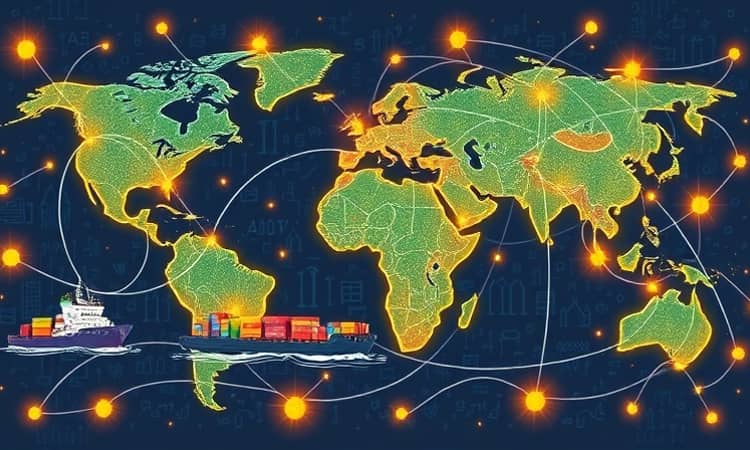
Trade finance underpins trillions of dollars of global trade each year, yet it remains hampered by outdated, paper-based workflows. Banks, importers, exporters, insurers, logistics firms and customs authorities rely on physical documents that travel slowly across borders, causing delays, errors and disputes.
By applying distributed ledger technology to this sector, stakeholders gain a single, tamper-proof view of transactions, reducing friction and accelerating settlements. The promise of blockchain lies in transforming a fragmented ecosystem into a seamless, trustworthy network.
Why Trade Finance Needs Change
Every day, letters of credit, bills of lading, invoices and inspection certificates are couriered, verified by hand and reconciled across siloed systems. These manual processes create long settlement cycles, high administrative costs and limited access for small and medium enterprises.
- Heavy paperwork and manual processes increase settlement times and error rates.
- Lack of transparency across multiple parties hides bottlenecks and delays.
- Fraud, forged documents and double financing add risk and disputes.
- High costs and complex intermediaries exclude many SMEs from financing.
These pain points highlight why end-to-end real-time visibility across the network and streamlined workflows are critical improvement levers for the industry.
The Blockchain Advantage in Trade Finance
Blockchain introduces a distributed ledger technology to digitize documents and share them securely among all authorized participants. Key attributes include:
- Immutability: Records once written cannot be altered or deleted.
- Permissioned transparency: Authorized parties see the same data in real time.
- Cryptographic security: Access and signatures rely on secure keys.
- Smart contracts: Self-executing code automates trade conditions.
- Tokenization: Documents and assets become unique digital tokens.
By deploying a permissioned distributed ledger with cryptographic security, banks, shippers, customs and insurers gain a shared, reliable source of truth that cuts reconciliation work and builds trust.
Enhancing Transparency through Blockchain
A shared ledger grants single source of truth across participants, so updates by one party—such as container loading or customs clearance—are immediately visible to all. Stakeholders can track goods from origin to destination, verify authenticity and confirm compliance.
Every event is recorded with a timestamp, creating an immutable audit trail that simplifies regulatory reviews and dispute resolution. Fraud becomes harder to hide when documents and transactions are secured onchain.
Academic research shows that supply chain transparency via blockchain helps firms negotiate better financing terms, as lenders observe performance in real time, reducing perceived risk and lowering the cost of capital.
Driving Efficiency and Automation
Traditional trade finance workflows can stretch over days or weeks. Blockchain shrinks these cycles: documents move at network speed, and verification is built into the system. This translates to faster payment releases and improved cash flow.
With smart contracts encode business logic automatically, conditions such as shipment confirmation or inspection results trigger payments, collateral updates and notifications without manual intervention.
Tokenized documents move instantly, eliminating courier delays. By replacing certain intermediaries with shared ledger functions, participants cut fees and reduce settlement risk, optimizing working capital.
Use Cases and Future Outlook
Letters of Credit represent one of the earliest use cases. The terms of an LC can be coded into a smart contract. When digital documents are uploaded and verified, payments are released automatically, slashing processing time.
Supply chain finance platforms leverage onchain events—such as goods loading or customs clearance—to trigger inventory and receivables financing. This dynamic funding model supports SMEs by improving access and reducing collateral costs.
Looking ahead, integration of IoT sensors, AI-driven risk assessment and cross-border regulatory coordination will amplify blockchain’s impact. However, challenges persist: interoperability between platforms, standardization, data privacy and governance models require careful attention.
By addressing these hurdles collaboratively, the industry can unlock secure digital tokens on a blockchain as a foundation for a truly transparent, efficient and inclusive trade finance ecosystem.
In the journey toward digital transformation, blockchain offers a blueprint for reinventing trade finance. Stakeholders who embrace these innovations can reduce costs, accelerate transactions and build the trust essential for global commerce’s next era.