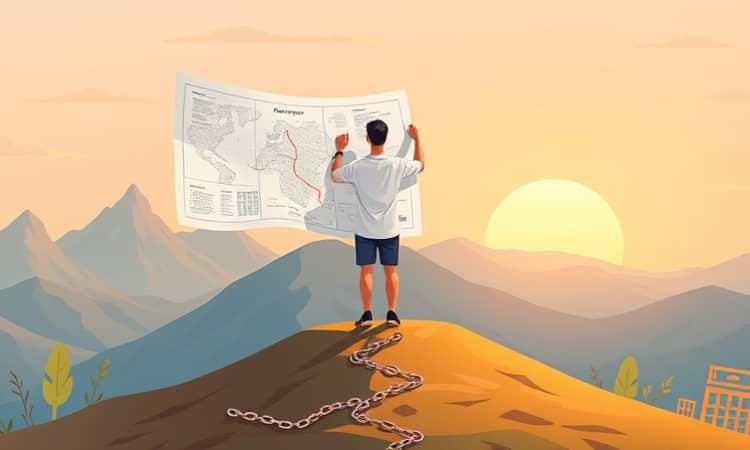
In 2026, the financial landscape is daunting, with credit card APRs stubbornly high above 22% despite broader economic shifts.
This creates an urgent need for a clear path to debt freedom, moving beyond mere bill payments to true financial liberation.
Our blueprint offers a practical, step-by-step approach that blends strategy with motivation, helping you navigate this challenge with confidence.
Step 1: Conduct a Comprehensive Debt Assessment
Begin by pulling your free credit reports early in the year to gain full visibility into your financial situation.
This initial audit is crucial for reducing anxiety and setting a solid foundation for your debt-free journey.
Create a detailed inventory that lists all debts, including their balances, interest rates, and minimum payments.
Focus on interest rates as high as 22% or more, which can escalate costs rapidly if left unchecked.
- Document every debt from the smallest to the largest balance.
- Note the exact interest rates and monthly minimum payments.
- Assess the total debt load to understand the scale of your challenge.
- Update this inventory regularly to track progress and adjustments.
This clarity empowers you to make informed decisions and prioritize effectively.
Step 2: Select Your Optimal Repayment Strategy
Choosing the right method depends on your personal psychology and financial goals.
Here is a comparison table to help you evaluate the options and pick the strategy that fits your needs best.
Use this table to align your choice with your cash flow and stress tolerance for maximum effectiveness.
Step 3: Explore Consolidation Options for Simplification
If your debt feels overwhelming, consolidation can streamline payments and potentially lower costs.
Key options include balance transfers, consolidation loans, and debt management plans.
Remember, consolidation needs a lower rate than your current debts to be truly beneficial.
- Consider balance transfers for temporary interest relief during promotional periods.
- Look into consolidation loans with rates ranging from 7% to 36%, depending on credit.
- Explore debt management plans through nonprofits for structured, negotiated payoffs.
This step can transform multiple payments into one, making your journey more manageable.
Step 4: Implement a Smart Budget and Boost Your Income
Adopt the 50/30/20 rule for budgeting to allocate your net income wisely.
This means 50% for needs like essentials and debt minimums, 30% for wants, and 20% for savings and extra debt payments.
Categorize your expenses into needs versus wants to identify areas for cutting back.
- Automate payments to avoid missed deadlines and late fees.
- Negotiate bills such as phone, internet, or insurance for better rates.
- Cancel unused subscriptions to free up cash for debt repayment.
- Cook at home and reduce impulse buys to save consistently.
To accelerate your progress, boost your income with side hustles and additional revenue streams.
- Freelance your skills online or take on part-time gig work.
- Sell items you no longer need through online marketplaces.
- Explore rideshare driving, dog walking, or other flexible jobs.
- Ask for a raise or seek higher-paying opportunities in your field.
Every extra dollar earned can significantly reduce your debt timeline and bring freedom closer.
Step 5: Maintain Motivation and Prevent Debt Relapse
Staying committed is essential for long-term success in your debt-free journey.
Set small, achievable goals to keep morale high and track progress effectively.
- Aim for $50 to $100 extra per paycheck directed towards debt repayment.
- Celebrate milestones like paying off your smallest debt to reinforce positive habits.
- Treat yourself moderately with non-financial rewards to avoid burnout.
Avoid new debt by spending only what you have and using cash for discretionary purchases.
Prioritize building an emergency fund alongside debt payoff to cushion against unexpected expenses.
This dual focus ensures you're prepared for surprises without derailing your progress.
Advanced Tools for Managing High Debt Situations
For severe cases where debt exceeds 36% of your income, consider professional help or advanced strategies.
Options include credit counseling, debt relief programs, and early intervention to prevent escalation.
With 50% of people citing political environment as a top financial worry, taking proactive steps is more critical than ever.
- Seek credit counseling for personalized advice and support in navigating complex debt.
- Explore debt relief programs that may reduce balances but come with credit implications.
- Implement early intervention strategies to address debt before it becomes unmanageable.
These tools can provide a safety net and guidance for those facing overwhelming financial burdens.
Conclusion: Your Path to Financial Peace in 2026
By following this detailed blueprint, you can navigate the challenges of high interest rates and economic uncertainty with resilience.
Focus on steady, compounding progress over quick fixes to build a sustainable, debt-free future.
Start today, embrace each step with determination, and craft a life of financial clarity and freedom.
Remember, the journey to debt freedom is not just about numbers; it's about reclaiming your peace and potential.