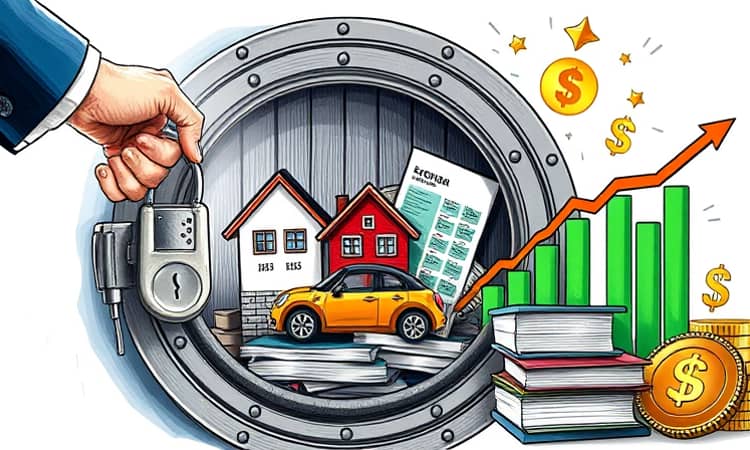
When most borrowers weigh loan offers, they hone in on the interest rate as if it tells the whole story. Yet, reducing a loan’s value to a single percentage overlooks a host of strategic advantages offered by secured, or “safe,” loans. By examining the broader picture, we uncover why collateral-backed financing can be a game changer for both individuals and institutional investors alike.
Understanding Secured Loans: More Than Just Collateral
Secured loans require borrowers to pledge assets—such as a vehicle, a home, or funds in a savings account—to mitigate lender risk. This structure lowers borrowing barriers for those with suboptimal credit scores. Approval often hinges more on the collateral’s value than on pristine credit histories.
Various collateral types unlock different borrowing possibilities:
- Auto loans secured by the vehicle itself
- Mortgages backed by residential real estate
- Secured personal loans using certificates of deposit or savings
- Bank or senior loans secured by corporate assets
By defining the lien on specific property, secured loans create a clear framework for both parties. Borrowers gain access to larger credit lines, and lenders gain confidence that contractual obligations will be met or otherwise remedied through asset recovery.
Key Advantages That Transcend Rate Comparisons
While interest rates remain important, the true value of secured loans extends into several realms of financial planning and stability. These include:
- Easier approval with lower credit thresholds: Credit history plays a lesser role when collateral assures repayment.
- Higher borrowing limits tied to asset value: Leverage valuable property to obtain larger sums.
- Consistent credit-building through timely payments: Regular repayment activity reported to bureaus boosts scores over time.
- Investor protections via seniority and security: Collateral and covenant structures protect principal in default.
From the individual borrower seeking debt consolidation to the institutional investor balancing a diversified portfolio, these attributes often outweigh a narrow focus on a lower APR.
Balancing Benefits with Risks
No financial product is without trade-offs, and safe loans are no exception. The primary downside lies in the potential loss of pledged assets if payments lapse. Repossession or foreclosure can erode household stability or business continuity.
Other considerations include:
- Longer origination processes due to collateral appraisal
- Upfront fees, such as origination or appraisal costs
- Prepayment penalties that vary by lender
Ultimately, borrowers must carefully evaluate personal risk tolerance and repayment capacity against the comfort of lower rates and larger loan amounts.
Comparative Snapshot: Secured vs. Unsecured Loans
Real-World Metrics and Performance
Bank or senior secured loans, which top corporate capital structures, often carry floating rates indexed to SOFR plus a historical spread of 1.75%–4.00%. Their typical seven to eight year maturities are frequently prepaid within three years due to covenants or strategic refinancing.
Since 1992, the Credit Suisse Leveraged Loan Index has recorded positive annual returns in 29 of 32 years, compared to just 23 positive years for high-yield bonds. This demonstrates resilience against market volatility and underscores the value of seniority and collateral in preserving capital.
For individual borrowers, secured personal loan APRs might start in the mid-single digits, while unsecured alternatives can exceed 36% APR for those with imperfect credit. Even with longer terms, total interest and fees on secured loans often remain lower over the life of the loan.
Strategic Alternatives and Decision-Making
Secured loans represent one channel among many. Borrowers and investors can also consider:
- Credit-builder loans that report monthly installments to bureaus
- Peer-to-peer platforms offering variable rates and rapid funding
- Co-signed loans leveraging another party’s creditworthiness
- Home equity lines of credit or second mortgages for lower long-term rates
Choosing the right product involves analyzing total costs—including fees and rate variability—against personal or institutional goals. A thorough cost-benefit calculation often reveals that the benefits of collateral security can outweigh the nominal advantage of slightly lower unsecured APRs.
Conclusion: Crafting a Financial Path
Safe, secured loans extend well beyond the scope of mere interest rates. They unlock credit access, fortify portfolios with seniority and security, and present robust opportunities for credit building. While collateral risks demand thoughtful diligence, the long-term cost savings and stability often deliver transformative benefits for borrowers and investors alike.
Before committing, take time to evaluate repayment capacity, compare origination and prepayment terms, and consider alternative financing sources. Consulting a trusted financial advisor can help ensure your loan decision aligns with both immediate needs and long-term wealth objectives.