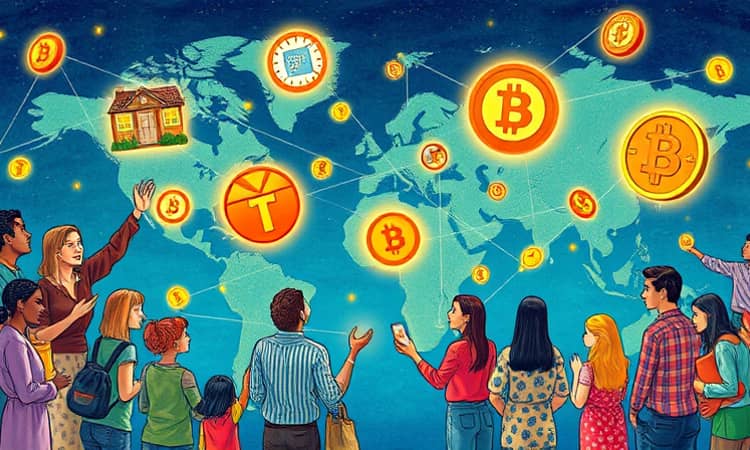
In an era where technology reshapes every corner of our lives, asset tokenization empowers everyday investors to access markets once reserved for the elite. By converting physical or intangible assets into digital tokens on a blockchain, tokenization unlocks immense liquidity and global participation. This article explores the transformative journey of asset tokenization, offering insights and practical guidance for those ready to embrace the future of finance.
The Power of Fractional Ownership
Traditionally, high-value assets like commercial real estate or fine art were out of reach for most individuals. Asset tokenization changes that dynamic. By dividing an asset into thousands or millions of tokens, small investors can purchase a fraction of a property, artwork, or commodity.
This model drives increased liquidity and market accessibility. Investors no longer face high minimum investments or lengthy lock-in periods. Instead, they gain the freedom to diversify portfolios across multiple asset classes with minimal capital commitment.
- Fractional Ownership and Accessibility: Participate in high-value assets with small capital.
- 24/7 Global Trading: Trade tokens anytime without geographic restrictions.
- Transparency and Immutability: Benefit from a tamper-proof ledger of ownership.
- Automated Execution: Smart contracts enforce terms without intermediaries.
Understanding Token Types
Asset tokens come in two primary forms, each suited to different use cases. Recognizing their characteristics helps investors choose the right instrument for their objectives.
What Can Be Tokenized?
Virtually any asset with inherent value can be represented on a blockchain. Tokenization projects typically fall into four broad categories:
- Real-World Assets: Real estate properties, precious metals, carbon credits.
- Financial Instruments: Equities, bonds, venture capital fund shares.
- Digital and Intangible Assets: Intellectual property rights, loyalty points.
- Unique or Alternative Assets: Artwork, sports memorabilia, racehorses.
Developers often create a legal entity, such as a special-purpose vehicle (SPV), to hold the underlying asset, while tokens grant proportional ownership rights. This structure aligns blockchain records with regulatory frameworks.
The Tokenization Journey
Bringing an asset onchain involves a multi-step process designed to ensure legal compliance, security, and operational efficiency.
1. Asset Sourcing and Structuring: Identify the asset type and establish a legal framework, determining whether tokens qualify as securities under local laws. Engage legal counsel to draft terms and create the SPV if needed.
2. Smart Contract Development: Write and audit smart contracts to govern token issuance, transfers, and distribution. Choose a blockchain network—Ethereum, Solana, or a permissioned DLT—and configure fungible or non-fungible standards.
3. Custody and Offchain Verification: Secure physical assets in a neutral storage facility. Integrate reliable oracles for real-world data feeds, ensuring that onchain records reflect actual ownership and asset status.
4. Token Issuance and Distribution: Launch tokens to investors’ digital wallets. Leverage compliance tools for KYC/AML checks and adhere to transfer restrictions embedded in smart contracts.
5. Secondary Market Trading and Servicing: List tokens on exchanges or regulated trading platforms. Manage corporate actions like dividend distributions or voting rights through automated contract functions.
Throughout these steps, efficiency drives cost reduction and accelerates time to market. Blockchain-based workflows streamline origination, trading, settlement, and ongoing servicing.
Overcoming Challenges
Despite its promise, asset tokenization faces hurdles that innovators must address:
Regulatory Uncertainty: Jurisdictions differ on token classification. Collaborate with regulators early and implement robust KYC/AML processes to ensure compliance.
Reliance on Offchain Data: Oracles must deliver trustworthy information. Choose decentralized oracle networks with proven reliability to bridge onchain and offchain worlds.
Asset Custody and Security: Physical assets require secure storage and insurance. Engage reputable custodians and auditors to maintain trust.
Interoperability: Cross-chain compatibility hinges on standardized decentralized identifiers. Adopt emerging standards to enable token portability and broader acceptance.
A Glimpse Into the Future
The tokenization market is poised for explosive growth. As pilot projects transition to production, trillions of dollars in real-world assets could migrate onchain, unlocking unprecedented economic activity.
Imagine a global investor purchasing a fraction of a landmark skyscraper on one afternoon, then trading fine art tokens the next. Global access for small investors becomes a reality, reducing barriers and fostering financial inclusion.
Beyond wealth generation, tokenization promotes democratization of ownership. Communities can crowdfund cultural projects, artists can monetize intellectual property, and small businesses can raise capital more efficiently.
Leading financial institutions are already exploring tokenized bond issuances and commodity-backed stablecoins. Tech startups are building decentralized marketplaces where token holders vote on governance decisions—a true convergence of finance and technology.
As infrastructure matures and regulatory clarity emerges, asset tokenization will redefine how we perceive value, ownership, and exchange. Its impact extends beyond capital markets to the fabric of society, empowering individuals to participate in economic opportunities once locked away.
Whether you are a seasoned investor, an entrepreneur, or simply curious about the future of finance, asset tokenization offers a pathway to democratized, efficient, and transparent markets. The time to learn, engage, and pioneer is now.
Together, we can unlock the full potential of global assets, one digital token at a time.